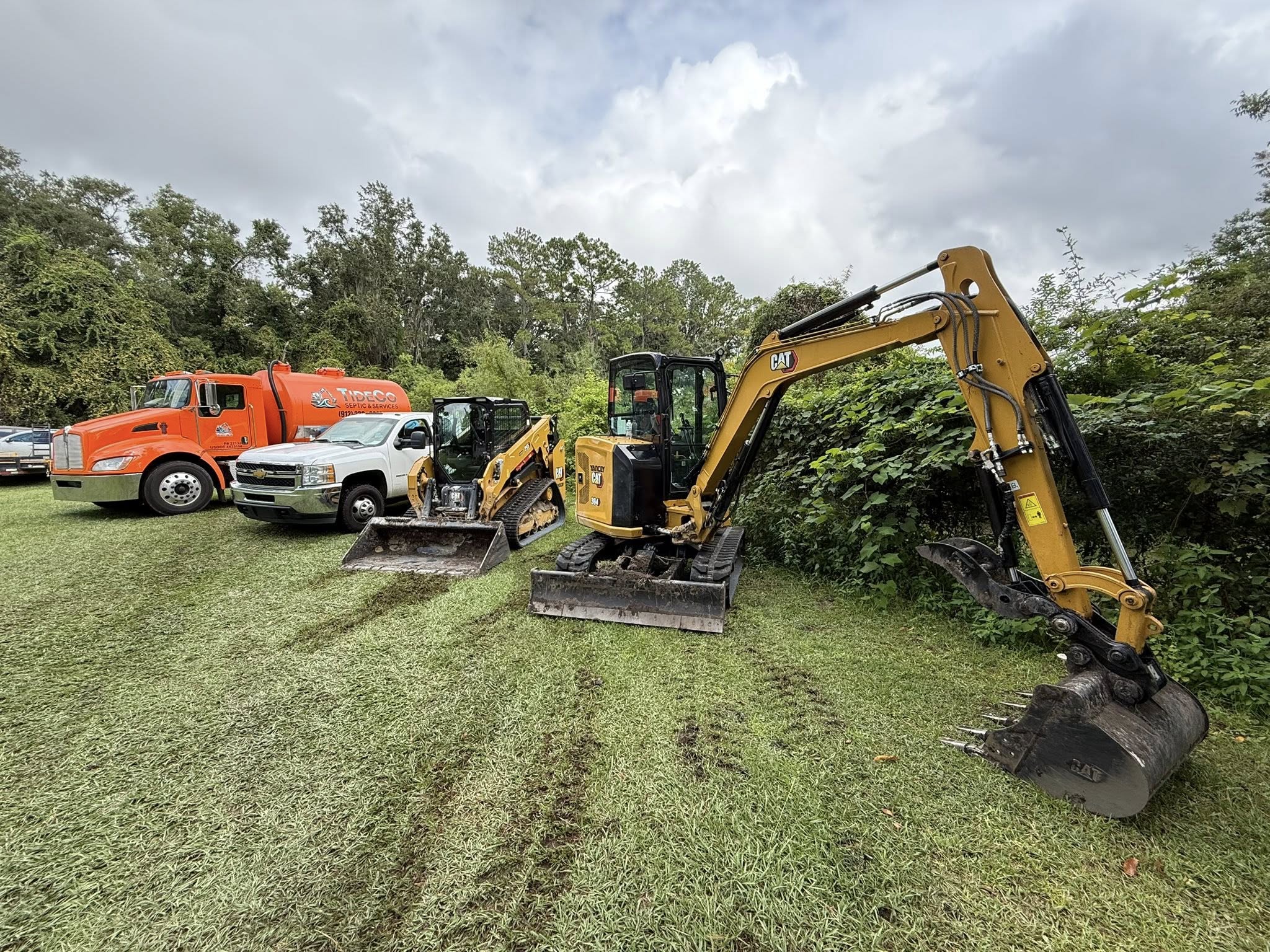
Navigating New Installations: Choosing the Right Septic System for Your Home Dec 22, 2025
First, it's vital to assess your property's soil and topography. The type of soil affects drainage and thus determines the kind of septic system suitable for your terrain. A percolation test, performed by professionals, measures how quickly the soil absorbs water. Sandy soils, for example, may require a different system than clay-heavy soil. If you’re unsure about the process, contacting our specialists at TideCo Septic ensures accurate and reliable soil evaluation.
Once you understand the soil prerequisites, your next step should be considering the system types available. The most common kinds are conventional systems, which use a gravity-fed approach, and aerobic treatment units that introduce oxygen to naturally occurring bacteria to break down waste material more efficiently. Remember, each system has distinct installation costs and maintenance needs. It’s essential to balance the initial expense with long-term operational considerations. Consulting with TideCo Septic will provide insights tailored to your home and budget.
System size also plays a pivotal role in choosing a suitable septic solution. The capacity of your tank depends significantly on your household size and water usage. A family of two will have different requirements compared to a family of six. Installing a system that's too small could lead to frequent issues, while overly large systems may unnecessarily increase costs. Our team at TideCo Septic is adept at calculating the optimal tank size for your specific situation, ensuring efficiency and preventing future headaches.
Budgeting for your septic system is another critical aspect. Beyond the purchase cost, factor in installation, maintenance, and possible repair costs. Some systems may appear cost-effective initially but could demand expensive upkeep over time. Reliable companies like TideCo Septic can help you forecast expenses by providing comprehensive cost analyses, so unexpected fees don’t catch you off guard.
Local regulations and permit requirements should also be on your checklist. Septic systems are subject to specific state and municipal codes, governing installation and performance standards. Familiarize yourself with local laws to avoid fines or legal hurdles. TideCo Septic services include guidance through the permitting process, ensuring your compliance with all necessary regulations.
Finally, consider the environmental impact of your choice. Environmentally friendly systems benefit not only the land around your home but also the wider community. Contemporary designs now offer eco-conscious options that emphasize waste minimization and water conservation. Opting for a sustainable septic system might offset water bills and reduce your ecological footprint, a responsibility TideCo Septic passionately shares.
In conclusion, selecting the right septic system for your new home requires careful consideration of multiple factors, from soil type and system size to budget and environmental concerns. The process might seem daunting, but with expert advice from TideCo Septic, you’ll navigate these waters smoothly. We prioritize meeting your needs with solutions that not only comply with regulations but also resonate with long-term performance and sustainability goals. For any questions or further guidance, don’t hesitate to reach out to our dedicated team at TideCo Septic, where your wastewater solutions are in experienced hands.
/filters:no_upscale()/filters:format(webp)/media/5459090b-b6be-4da0-9f55-f83f08133f49.jpeg)
/filters:no_upscale()/filters:format(webp)/media/78d3e7a1-64c5-40bc-9ed3-7834dff171cf.jpeg)